News
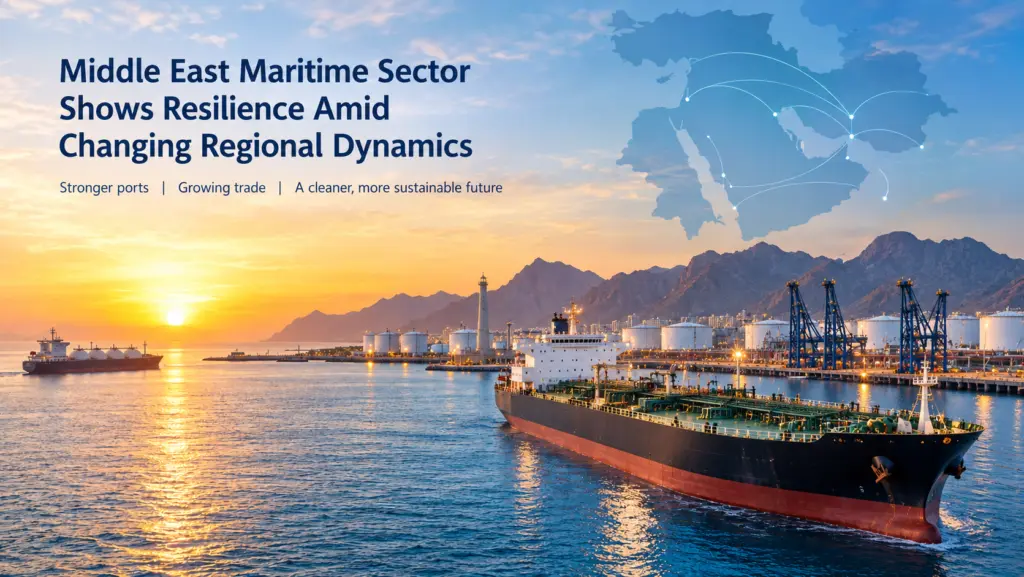
Middle East Maritime Sector Shows Resilience Amid Changing Regional Dynamics
The Middle East maritime sector continues to adapt to a rapidly evolving operating environment. While geopolitical developments have affected traditional bunkering patterns in some areas, the region’s ports, logistics networks and maritime infrastructure continue to demonstrate resilience and attract significant investment.
During a recent meeting of the IBIA Middle East Regional Board, members discussed current market conditions and shared perspectives on developments across the region. The overall view was that, although bunkering activity remains below previous levels in certain locations, broader maritime and logistics activities continue to expand, creating positive opportunities for long-term growth.
Board members noted increasing utilization of regional ports and terminals, growth in container and bulk cargo activity, and continuing investment in logistics infrastructure. Developments in key maritime hubs, including Fujairah and Sohar, were highlighted as examples of how the region is strengthening its position within global supply chains through infrastructure expansion and operational diversification.
Significant investment continues across the sector, including expansion of port facilities, rail connectivity, cargo handling capabilities and emerging energy infrastructure. Members also noted ongoing developments related to LNG and alternative fuel projects, reflecting the industry’s broader transition towards lower-carbon energy solutions.
At the same time, the market continues to face challenges associated with geopolitical uncertainties, evolving trade routes, sanctions compliance requirements and operational complexities. Members noted that changing trade patterns and supply chains are creating additional operational and fuel quality monitoring requirements for market participants. Board members stressed the importance of maintaining transparency, efficiency and collaboration across the maritime sector to support confidence among shipowners, suppliers and other stakeholders.
The Board also highlighted the adaptability demonstrated by industry participants across the region. Suppliers, ports and service providers have responded to changing market conditions by adjusting operations, strengthening compliance processes, investing in infrastructure and identifying new opportunities to support maritime trade.
A further positive theme emerging from the discussion was the growing interest in alternative fuels and future energy solutions. Alongside traditional bunkering activities, investment in LNG infrastructure and other energy projects is helping position the region for the next phase of maritime development.
Looking ahead, IBIA’s Middle East Regional Board remains optimistic about the region’s long-term prospects. While challenges remain, continued infrastructure investment, strategic geographic advantages and the resilience of regional maritime stakeholders are expected to support future growth and reinforce the Middle East’s role as a vital global shipping and energy hub.
Note: This update has been compiled from contributions and discussions of members of the IBIA Middle East Regional Board and reflects high-level observations on market developments across the region
 Member Only
Members only This content is available to IBIA members. Please sign in to continue. Sign in
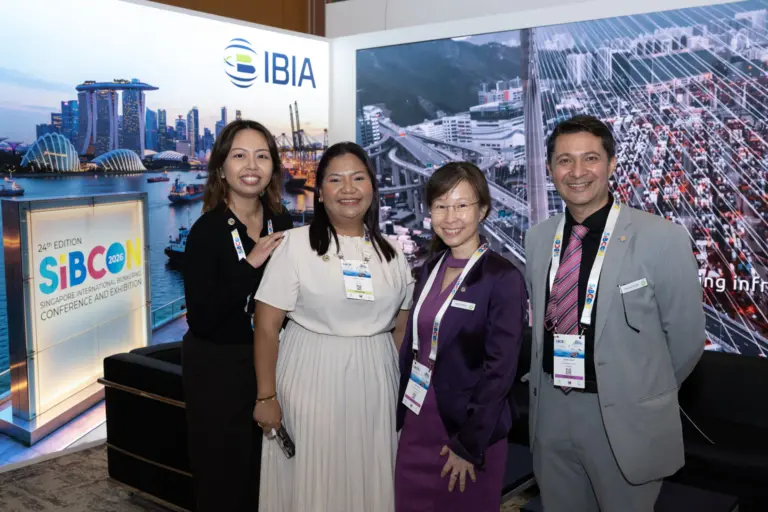
The IBIA Drinks Reception proved to be a highlight of the week, bringing together members, industry colleagues, and friends from across the global bunkering and maritime community in a relaxed and welcoming setting. It was fantastic to see so many visitors at the IBIA booth, creating an excellent opportunity to catch up with familiar faces,…
 Member Only
IBIA documents submitted to the IMO IBIA has submitted a series of documents to IMO’s Marine Environment Protection…

Shell Marine’s president, Houda Dabboussi, recalls to David Hughes her journey to her current … Read more…